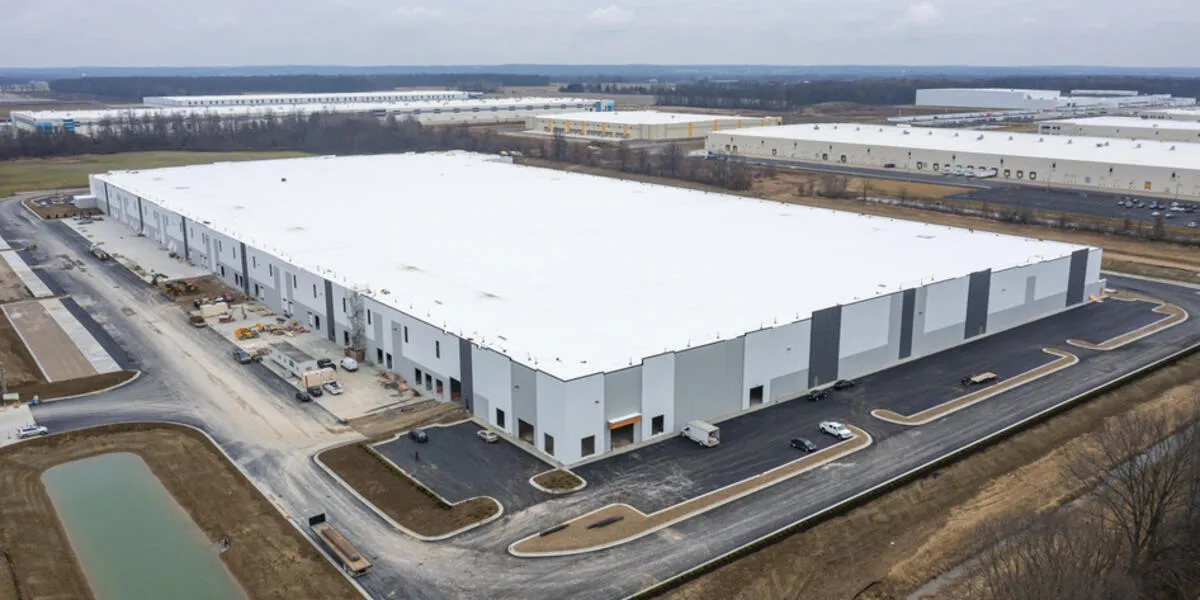
Warehouse for Sale? A Guide for Motivated Commercial Property Sellers
When a warehouse owner decides to sell, the reason is often practical: an upcoming loan maturity, a change in business strategy, retirement, estate planning, partnership disagreement, tenant challenges, or a desire to redeploy capital. A motivated seller does not necessarily need to accept the first offer. The goal is to move decisively while protecting value and reducing preventable surprises.
If you are searching for a warehouse for sale or considering how to sell an industrial building, begin by organizing the information a qualified buyer will need. Clear records can improve the quality of conversations, help buyers underwrite the asset faster, and reveal issues that should be addressed before a contract is signed.
The Oak and Clay Group states that it is actively acquiring industrial warehouse properties in Ohio, Pennsylvania, West Virginia, and Maryland, with an interest in Class B and C assets that have value-add potential, operational improvement opportunities, and tenant-growth potential.
First, clarify your selling objective
A warehouse sale can be motivated by price, speed, certainty, simplicity, or a combination of these goals. An owner facing a refinancing deadline may value a dependable closing more than a lengthy marketing process. An owner with a strong tenant and no immediate pressure may prefer to test the market broadly. A business owner-occupant may need to coordinate the sale with a replacement facility or a leaseback.
Write down your priorities before speaking with buyers. Consider your desired closing date, minimum net proceeds, acceptable diligence period, leaseback requirements, treatment of equipment and inventory, and whether you would accept seller financing or a structured transaction. This helps distinguish a genuinely attractive offer from one that looks good only because of a high headline price.
Prepare the warehouse information package
Commercial buyers will typically want more than photographs and a property address. Assemble the current rent roll, leases and amendments, operating statements, tax bills, insurance information, utility history, maintenance records, capital-improvement history, environmental reports, surveys, zoning information, permits, and service contracts.
If the property is owner-occupied, prepare a clear summary of the business’s occupancy, equipment, storage use, parking, loading, and any leaseback requirements. If the property is vacant, document the condition of the building and any steps taken to protect it. A clean information package can reduce the back-and-forth that often slows a commercial transaction.
Financial
Rent roll, operating statements, taxes, insurance, utilities, accounts receivable, and capital expensesLease-related
Executed leases, amendments, options, deposits, delinquencies, and tenant correspondencePhysical
Roof, paving, loading doors, HVAC, electrical, sprinklers, structure, and recent repairsLegal and zoning
Survey, title information, zoning classification, permits, code matters, and easementsEnvironmental
Prior reports, known releases, storage history, tanks, hazardous-material records, and remediation documentsOperational
Service contracts, maintenance logs, security, access, equipment, and occupancy procedures
Understand what makes a warehouse attractive to buyers
Industrial buyers evaluate how the building works for existing and future occupants. Important characteristics can include location, access to major roads, loading configuration, clear height, column spacing, power, parking, trailer circulation, yard area, office percentage, building condition, and zoning.
Tenant quality and lease structure are equally important. A stable tenant with a long lease, credible financials, and clear renewal economics may support a different valuation from a property with month-to-month occupancy or significant near-term rollover. Buyers may also examine whether rents are at market, whether operating expenses are recoverable, and whether any tenant improvements or leasing commissions are likely to be required.
Choose the right sale process
Owners generally consider a marketed brokerage process, a targeted buyer process, or a direct conversation with a commercial property buyer. A broad process may generate more exposure but can require extensive preparation, tours, confidentiality management, and a longer timeline. A targeted process can be more discreet and may focus on buyers whose criteria match the property.
A direct sale does not eliminate diligence. The buyer will still need to verify title, condition, leases, environmental matters, financial performance, and closing requirements. The potential advantage is that the seller may be able to discuss price and terms directly with a buyer whose acquisition strategy already includes industrial warehouse assets.
The Oak and Clay Group offers a sell-your-warehouse contact pathway for owners who want to discuss an industrial property. The group’s stated acquisition criteria include properties in Ohio, Pennsylvania, West Virginia, and Maryland, particularly Class B and C warehouses with upside potential.
Address issues before they become negotiation leverage
Motivated sellers sometimes delay disclosure of roof leaks, environmental concerns, unauthorized alterations, tenant disputes, code issues, or unpaid obligations. That usually creates a larger problem when the buyer discovers the issue during diligence. Instead, identify known problems, gather supporting records, and decide whether to repair, credit, disclose, or price around them.
An honest explanation does not guarantee that a buyer will accept the issue, but it gives both parties a better chance to price the risk and maintain a workable timeline. Owners should consult appropriate attorneys, environmental professionals, engineers, accountants, and tax advisers regarding issues specific to the property and transaction.
Compare offers by certainty and net proceeds
The highest price is not always the strongest offer. Compare the buyer’s financing, equity, deposit, diligence period, contingencies, closing conditions, proposed closing date, and ability to perform. A lower offer with fewer contingencies and a credible closing plan may produce a better outcome for a seller under time pressure.
Purchase price
Is it supported by the buyer’s underwriting and comparable evidence?Deposit
How much is posted, when does it become nonrefundable, and who holds it?Diligence
What inspections, reports, and termination rights can the buyer use?Financing
Is the offer dependent on a loan, appraisal, or equity raise?Closing date
Does it align with debt maturity, tenant needs, relocation, and tax planning?Conditions
Are there title, environmental, lease, zoning, or board-approval conditions?Post-closing obligations
Are there escrows, indemnities, repairs, or leaseback responsibilities?
Common mistakes made by motivated warehouse sellers
One frequent mistake is pricing the property from an online estimate without accounting for income, tenant quality, functional utility, and deferred maintenance. Another is failing to understand the difference between a gross purchase price and net proceeds after loan payoff, broker compensation, closing costs, taxes, repairs, and other obligations.
Sellers can also lose time by releasing incomplete information, granting access without a clear process, or accepting a contract with broad termination rights and no realistic diligence schedule. A carefully organized data room and a written communication plan can help keep the transaction moving.
When a direct buyer may be worth considering
A direct commercial buyer may be worth exploring when the owner values confidentiality, has a compressed timeline, owns a property with deferred maintenance, or wants to discuss an asset that may not fit a conventional marketing campaign. It can also be useful as a benchmark: a credible offer may help the owner compare the direct-sale path with a broader brokerage process.
The Oak and Clay Group says it seeks value-add industrial warehouse opportunities and uses a hands-on asset-management approach. Owners should evaluate the buyer’s proposed terms, proof of funds, diligence requirements, closing process, and contractual obligations rather than relying on general marketing language.
Discuss your warehouse with an experienced buyer
If you own an industrial warehouse in Pennsylvania, Ohio, West Virginia, or Maryland, you can submit property information to The Oak and Clay Group. Begin with the address, building size, occupancy, tenant status, asking price if any, timeline, and the reason for selling. Providing accurate information at the outset can make the initial conversation more productive.