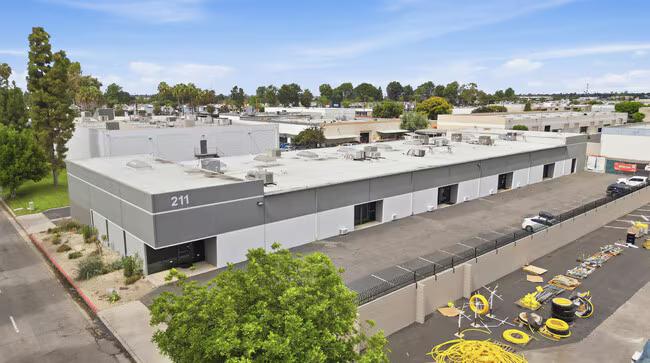
Warehouse for Sale? How Owners Can Prepare for a Confidential Industrial Property Exit
When an owner decides to put a warehouse for sale, the decision is rarely based on one factor. The property may have reached its target value, the owner may be ready to retire, a partnership may be changing, a loan maturity may be approaching, or the building may require more capital than the owner wants to invest.
Selling an industrial property is different from selling a typical residential building. Buyers analyze leases, loading, clear height, tenant credit, environmental conditions, roof life, zoning, operating expenses, capital needs, and the property’s role in the surrounding industrial market. A seller who prepares the information early can reduce surprises and make it easier to compare offers.
Decide what kind of sale fits your goals
Warehouse owners commonly compare three approaches.
A traditional brokered listing
A brokered sale can create broad market exposure and may be appropriate when the property is stabilized, the owner wants competitive bidding, and the timeline allows for marketing, tours, diligence, and negotiations. The process may involve commissions, preparation, tenant coordination, and a longer period of public exposure.
An off-market direct sale
A direct buyer may offer a confidential process with fewer public marketing steps. This can be useful for owners who value privacy, want to reduce disruption to tenants, or prefer a direct conversation about price and timing. The owner should still compare the offer against market evidence and understand the buyer’s proposed terms.
A sale with a transition period
Some sellers need time to move equipment, relocate operations, finish a lease, or coordinate a replacement facility. A flexible closing or post-closing transition may be more important than the shortest possible closing. The purchase agreement should spell out possession, rent, repairs, insurance, risk of loss, and any continued occupancy.
What warehouse buyers want to understand
Property condition
Prepare a clear summary of the building’s roof, structure, paving, loading doors, HVAC, electrical service, plumbing, fire protection, sprinklers, office area, drainage, and recent capital improvements. Include dates, invoices, warranties, inspection reports, and known defects.
A buyer will likely perform its own diligence. Complete information does not eliminate questions, but it can reduce avoidable delays. If there is a known issue, disclose it accurately and work with your professional advisors on the correct disclosure process.
Site and access
Industrial value depends on more than building square footage. Buyers evaluate truck circulation, ingress and egress, dock configuration, drive-in doors, parking, yard area, outdoor storage, trailer parking, rail access where applicable, road capacity, and proximity to highways and labor.
Create a site plan that identifies loading areas, easements, utility access, parking, exterior storage, and any shared areas. Confirm that the property’s current use matches zoning and permits.
Tenant and lease profile
If the warehouse is leased, assemble the rent roll and complete lease files. Buyers will review base rent, escalations, renewal options, expense recoveries, security deposits, tenant improvement obligations, termination rights, guarantees, maintenance duties, insurance, and upcoming expirations.
A property with a strong tenant can still have risk if the lease expires soon, if rent is materially above market, or if the tenant is responsible for obligations it may not be able to perform. A vacant warehouse can offer flexibility but may require a buyer to carry lease-up costs and capital expenses.
Environmental and regulatory information
Industrial buildings can have historical uses that require additional diligence. Gather prior environmental reports, notices, permits, underground storage tank information, spill records, waste-handling documentation, and any correspondence with regulators. Do not guess about environmental conditions; obtain advice from appropriate professionals.
How to prepare a warehouse for sale without overspending
Not every seller should renovate before marketing. Start with safety and documentation rather than cosmetic work. Correct active leaks, secure damaged doors, remove obvious hazards, organize records, and improve basic access and cleanliness where the return is clear.
Avoid spending heavily on upgrades without a market-based reason. The right preparation may be a targeted roof repair, a current property-condition report, a clean rent roll, or a professional survey rather than a full modernization. Ask a qualified broker, appraiser, contractor, or buyer to explain how a proposed improvement could affect value and marketability.
Compare the full economics of each warehouse offer
The highest headline price is not always the strongest offer. Compare:
•Purchase price and earnest money.
•Cash versus financing and the risk of lender conditions.
•Due-diligence period and termination rights.
•Closing date and possession requirements.
•Title, survey, environmental, and inspection responsibilities.
•Treatment of existing leases, deposits, prepaid rent, and tenant claims.
•Seller-paid credits, repairs, or capital work.
•Any assignment rights or buyer-partner approval provisions.
•Conditions tied to zoning, permits, environmental findings, or financing.
•Certainty of closing and the buyer’s ability to perform.
A direct cash offer may create value through speed, confidentiality, and reduced preparation. A brokered listing may create value through broader exposure and competitive tension. The correct comparison is the expected net outcome, certainty, workload, and timing—not simply the offered price.
What a direct warehouse buyer may offer
The Oak and Clay Group’s warehouse acquisition page states that it works directly with owners of industrial and warehouse properties and considers distribution and logistics warehouses, light and heavy industrial buildings, flex industrial properties, vacant or underutilized warehouses, and leased or owner-occupied facilities. The page also states that the company offers an off-market process, as-is purchases, flexible terms, and typical closings ranging from 30 to 90 days depending on the asset.
These are general company statements, not a guarantee for every warehouse. The actual purchase price, diligence process, timing, closing costs, and conditions depend on the individual property. Owners can begin with a confidential review through The Oak and Clay Group’s warehouse offer page.
Why owners sometimes prefer a confidential sale
An off-market transaction may reduce public attention around a property, especially when the owner does not want tenants, employees, competitors, customers, or lenders to see a broad marketing campaign. It may also reduce the number of tours and requests handled by the owner’s team.
Confidential does not mean informal. Use a written confidentiality agreement when appropriate, keep a controlled diligence file, identify the parties to the transaction, and work with a qualified commercial real estate attorney, title company, tax advisor, and other professionals. The seller should understand exactly who is buying, how the purchase will be funded, and what happens if the buyer does not close.
Common reasons to sell an industrial property
Owners may consider a warehouse sale when:
•The property has appreciated and the owner wants to realize value.
•The building needs a roof, paving, loading, electrical, or environmental investment.
•The owner wants to simplify a portfolio or reduce geographic concentration.
•A partnership or estate needs liquidity.
•The owner’s operating business is relocating or downsizing.
•The asset is vacant, underutilized, or difficult to manage.
•A loan maturity or refinancing decision is approaching.
•The owner prefers a faster, more predictable exit than a full marketing campaign.
The best timing depends on the property, market, ownership structure, tax position, debt, lease obligations, and personal objectives. A sale can produce liquidity, but it can also create tax consequences and eliminate future rental income. Discuss those tradeoffs before signing a contract.
A practical warehouse-sale preparation checklist
Before contacting a buyer or listing broker, gather:
1.Deed, survey, title policy, and entity ownership documents.
2.Current rent roll and all leases, amendments, and guarantees.
3.Operating statements for at least the most recent years available.
4.Property-tax bills, insurance information, utility records, and service contracts.
5.Roof, HVAC, paving, loading-door, sprinkler, and major-repair records.
6.Environmental reports, permits, zoning information, and code correspondence.
7.Floor plans, site plans, square-footage documentation, and building plans.
8.A schedule of tenant deposits, prepaid rent, open claims, and outstanding work.
9.Mortgage, payoff, lien, and partnership information.
10.The preferred sale date, possession plan, and transition requirements.
The more organized the file, the easier it is for serious buyers to assess the asset and for the seller to identify gaps before negotiations.
Start with a clear exit strategy
Whether you list publicly or request a direct offer, begin with your goals. Do you need the highest possible price, the fastest closing, privacy, certainty, a transition period, or relief from future capital obligations? A warehouse for sale can attract different buyer types, and each type may offer a different combination of price and terms.
The Oak and Clay Group says it buys industrial and warehouse properties nationwide and works with both owners and brokers. If you are considering selling a warehouse, request a confidential property review and prepare the building, lease, and financial information needed for an informed conversation.