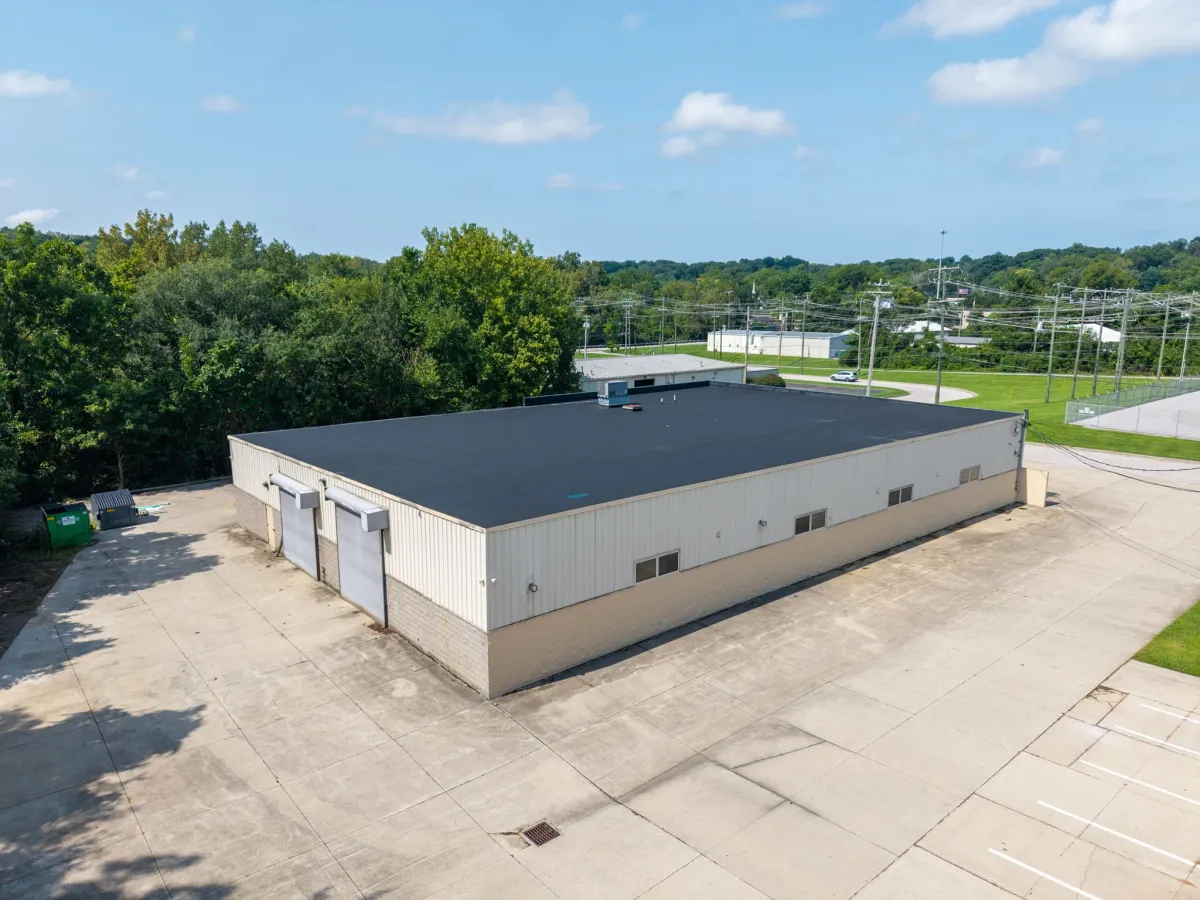
How to Prepare Your Warehouse for Sale and Attract Serious Buyers
Selling a warehouse is different from selling a typical residential property. Buyers are not only evaluating appearance. They are examining access, ceiling height, loading capacity, power, zoning, tenant income, environmental conditions, deferred maintenance, and the property’s ability to support a business or investment strategy.
The better prepared a warehouse seller is, the easier it can be to answer buyer questions, support the asking price, and reduce avoidable delays during due diligence.
Begin with a clear reason for selling
Your reason for selling can help shape the strategy. An owner may be selling because of:
•Retirement or a change in business plans
•A desire to reinvest equity elsewhere
•Excess space after downsizing operations
•A need to exit an investment property
•Partnership or ownership changes
•A relocation or consolidation
•Rising maintenance or operating costs
•A desire to simplify a portfolio
A sale strategy should reflect whether the priority is speed, price, certainty, tax planning, timing, or a combination of factors. Discussing these goals early can help determine the appropriate marketing and negotiation approach.
Organize the property information
Commercial buyers typically expect detailed information. Start assembling the documents and facts a buyer may request:
•Current rent roll
•Copies of leases and amendments
•Operating statements
•Property tax records
•Insurance information
•Utility history
•Maintenance and repair records
•Service contracts
•Survey and site plans
•Zoning information
•Environmental reports, if available
•Certificates of occupancy or use approvals
•Roof, HVAC, and equipment records
•Permits and renovation documentation
•Information about easements, access, or restrictions
If documents are missing, do not wait until a buyer asks. Identify the gaps and determine how to address them.
Evaluate the warehouse’s physical features
The value of an industrial property depends heavily on its functionality. Buyers may evaluate:
•Total building size and usable square footage
•Clear ceiling height
•Drive-in and dock-high doors
•Truck access and circulation
•Loading court depth
•Parking and employee access
•Office-to-warehouse ratio
•Electrical capacity
•Sprinkler systems
•HVAC and ventilation
•Floor condition and load capacity
•Yard or outdoor storage
•Security and fencing
•Roof age and condition
•Drainage and site condition
•Expansion or redevelopment potential
Be precise. A marketing description that overstates a property’s features can create credibility problems during due diligence.
Decide whether to sell vacant or occupied
A warehouse can be sold as an owner-user property, an income-producing investment, or both. If the building is occupied, buyers will likely examine lease terms, tenant credit, rent history, renewal options, operating expense responsibilities, and potential rollover.
If the owner occupies the property, consider whether a sale-leaseback could provide continued occupancy while unlocking equity. In a sale-leaseback, the business sells the real estate and leases it back from the new owner. This can be useful in some situations, but the lease terms, rent level, term, and business economics require careful analysis.
If the property is vacant, focus on how its layout, location, and features serve likely users. Clean, safe, accessible space can be easier for buyers to understand and tour.
Address deferred maintenance strategically
Not every issue needs to be repaired before marketing. Some sellers prefer to sell as-is, while others complete improvements that make the property easier to finance, occupy, or value.
Consider prioritizing items that:
•Create safety concerns
•Affect water intrusion or building integrity
•Prevent normal property access
•Raise questions about code compliance
•Interfere with inspections
•Make the property difficult to show
•Could materially affect financing or insurance
Obtain estimates where possible. A buyer may discount the price significantly when the scope of a problem is unclear, while a documented repair estimate can make negotiations more focused.
Understand warehouse valuation
Commercial warehouse value may be influenced by income, comparable sales, replacement cost, land value, functionality, location, and future use. The appropriate approach depends on the property and buyer profile.
For an income-producing warehouse, buyers may focus closely on NOI, capitalization rate, lease terms, tenant credit, and future rent potential. For an owner-user property, the physical utility and replacement alternatives may receive more attention.
Sellers should avoid relying on a single online estimate or a nearby residential sale. Industrial real estate requires commercial market context and property-specific analysis.
Build a credible marketing package
A strong marketing package should help a qualified buyer answer basic questions quickly. It may include:
•High-quality interior and exterior photography
•A property overview and specifications
•Site and floor plans
•Zoning and permitted-use information
•Location and access details
•Lease and financial summary, when applicable
•Utility and building-system details
•A clear list of improvements and limitations
•Contact and showing instructions
Marketing should be accurate, concise, and designed for the likely buyer. An owner-user may care most about operations and functionality. An investor may focus on income, lease structure, and upside.
Prepare for due diligence
Due diligence can take longer when property records are incomplete or inconsistent. Before listing, check whether the documents agree with one another. Confirm building size, lot size, tenant information, rent amounts, tax records, and permitted use.
If there are known environmental, title, access, zoning, or maintenance concerns, address them early with the appropriate professionals. Surprises do not always end a transaction, but late discovery can affect price, timing, and buyer confidence.
Screen buyers and offers carefully
The highest initial offer is not always the strongest offer. Compare:
•Purchase price
•Financing and proof of funds
•Due-diligence period
•Inspection and environmental contingencies
•Appraisal requirements
•Closing timeline
•Earnest money deposit
•Buyer experience
•Seller concessions
•Likelihood of closing
A qualified buyer who understands warehouse property may provide more certainty than an offer that looks higher but depends on several unresolved conditions.
Work with the right commercial professionals
Warehouse transactions can involve brokers, attorneys, title professionals, lenders, environmental consultants, inspectors, surveyors, accountants, and tax advisers. The right team can help coordinate the process and identify issues before they become obstacles.
Choose professionals who understand commercial and industrial property rather than assuming that all real estate experience is interchangeable.
Final thoughts
Selling a warehouse requires more than placing a listing online. Sellers should understand the building’s features, organize documentation, evaluate income and physical condition, prepare for due diligence, and compare offers based on both price and certainty.
With the right preparation, a warehouse can be positioned clearly for owner-users, investors, or strategic buyers. The Oak and Clay Group can help warehouse owners evaluate their property, develop a marketing strategy, and navigate the commercial sale process.