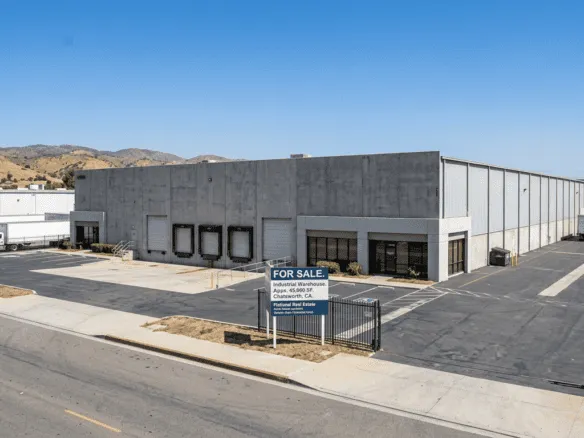
Selling a Warehouse: A Seller's Guide to Preparing a Commercial Property
Selling a warehouse is more involved than placing a sign on the property and waiting for offers. Commercial buyers evaluate the building, the site, the leases, the income, the operating expenses, the tenant profile, the zoning, and the future usefulness of the asset. Sellers who prepare this information early can create a clearer process and make it easier for qualified buyers to evaluate the opportunity.
The best sale strategy depends on the warehouse itself. An owner-occupied facility may be marketed differently from a fully leased investment property. A vacant building may appeal to an operating company, while a stabilized warehouse may appeal to an investor seeking income. The seller's desired timeline, tax position, financing, and reinvestment plans also matter.
Decide what a successful sale means
Before setting an asking price, identify the priorities. The seller may want to maximize price, complete a tax-deferred exchange, reduce management responsibilities, sell by a specific date, or create flexibility for a future move. These objectives can lead to different decisions about timing, marketing, lease negotiations, and deal structure.
If the warehouse is owner-occupied, determine whether the business needs to remain in the building after closing. Possible structures include a sale with a leaseback, a later move-out, or a sale to an owner-user who will occupy the property. Each structure affects the buyer pool and the information that must be shared.
If the warehouse is leased, review the leases before marketing. Buyers will focus on rent, remaining term, renewal options, tenant credit, expense recoveries, security deposits, and obligations for repairs or capital improvements.
Organize the seller's due-diligence package
A complete and orderly information package can improve buyer confidence. Start with the following documents:
•Current rent roll and executed leases.
•Lease amendments, options, guarantees, and correspondence about defaults.
•Historical operating statements and current-year financial information.
•Property tax bills, insurance declarations, and utility records.
•Surveys, site plans, floor plans, and prior appraisals when available.
•Zoning information, certificates of occupancy, permits, and code notices.
•Environmental reports, roof records, inspection reports, and warranties.
•Service contracts for maintenance, security, landscaping, snow removal, and waste.
•Capital-improvement records for the roof, paving, HVAC, loading systems, and building structure.
The goal is not to hide every imperfection. It is to provide accurate information early enough for buyers to understand the property and price the known risks. Material issues should be addressed with qualified professionals and disclosed according to applicable requirements.
Evaluate the warehouse before listing it
A pre-sale inspection can help the seller identify problems before they become a buyer's negotiating tool. Review the roof, drainage, paving, loading areas, dock equipment, doors, structure, electrical service, fire protection, plumbing, HVAC, lighting, and exterior conditions.
Warehouse buyers may also study clear height, column spacing, trailer storage, parking, truck access, turning radii, rail access where relevant, and the ability to expand or reconfigure the site. These features affect the property's appeal to both investors and users.
Environmental conditions require specialized attention. Depending on the property's history, a buyer may request environmental assessments or information about prior industrial uses, underground storage tanks, spills, hazardous materials, or regulated operations. Sellers should not guess about technical conditions. Use qualified environmental and engineering professionals when needed.
Position the property for the right buyer
A warehouse can have several buyer profiles. An owner-user may prioritize immediate occupancy, layout, parking, access, and expansion potential. An investor may focus on current income, lease duration, tenant quality, expenses, and the potential for rent growth. A developer may value land, zoning, redevelopment potential, or a different use.
Marketing should present the facts that matter to the likely buyer. Include clear information about location, access, building size, site size, loading, ceiling height, parking, zoning, tenancy, income, and capital needs. Avoid vague claims that cannot be supported by documents.
If the property is occupied, coordinate showings with tenants and honor the notice requirements in the leases. Respectful communication can protect the seller's relationship with tenants and reduce disruption during the sale process.
How to think about price and net proceeds
The asking price should reflect market evidence and the property's income-producing characteristics. Review comparable sales, current leasing conditions, replacement costs, property condition, tenant risk, and the likely buyer pool. A valuation professional or commercial broker can help develop a market-based pricing strategy.
Sellers should also estimate net proceeds. The calculation may include brokerage fees, legal and closing costs, loan payoff, repairs, credits, transfer taxes, prepayment penalties, tenant obligations, and taxes. The price that appears strongest before these adjustments may not produce the best result after closing costs and deal risk are considered.
A sale price is only one term. Compare financing contingencies, inspection periods, appraisal conditions, earnest money, closing deadlines, representations, and the buyer's demonstrated ability to close. A credible offer with clear terms may be more valuable than a higher offer with substantial uncertainty.
Should the seller make improvements first?
Not every improvement increases value enough to justify its cost. Correcting safety issues, addressing active leaks, organizing the property, and repairing highly visible functional problems may improve buyer confidence. Major renovations should be evaluated against likely demand and the preferences of the target buyer.
For an owner-user, a clean and functional building may be more valuable than a cosmetic upgrade. For an investor, reliable leases and documented capital history may matter more than new finishes. Ask what the market is likely to reward before committing capital.
Common warehouse-selling mistakes
One frequent mistake is waiting until the property is under contract to locate basic documents. Missing leases, inconsistent rent rolls, or incomplete expense records can delay diligence and weaken negotiating leverage.
Another mistake is pricing the property solely from a prior valuation or a recent sale without considering current conditions. Industrial properties are not interchangeable. Access, configuration, tenant quality, building condition, and zoning can materially affect value.
Sellers should also avoid overstating future potential. Expansion, redevelopment, outdoor storage, and alternative uses may require approvals, capital, or market demand that is not yet established. Present potential as a possibility, not a guarantee.
Work with a commercial real estate advisor
A commercial advisor can help the owner select a sale strategy, prepare the marketing package, identify likely buyers, manage showings, evaluate offers, and coordinate diligence. The advisor should understand the property's physical characteristics as well as its income and lease structure.
The Oak and Clay Group works with owners who want a thoughtful, well-organized approach to commercial property decisions. The process begins with understanding the warehouse, the owner's goals, and the market factors that may affect the sale.
If you are considering selling a warehouse, contact The Oak and Clay Group to discuss preparation, positioning, valuation, and next steps.