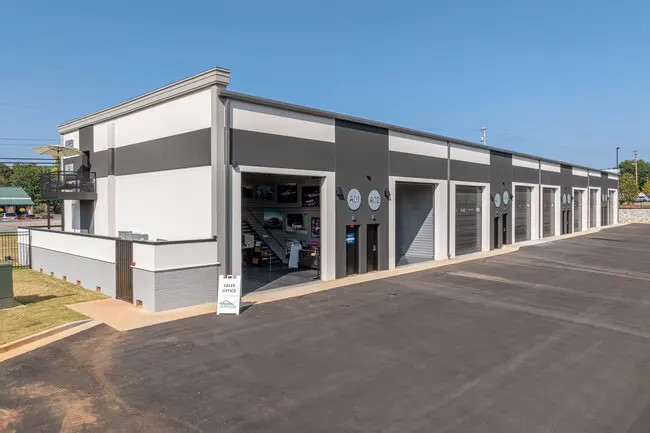
Selling a Warehouse: A Commercial Property Owner’s Playbook
A warehouse sale is both a real estate transaction and a business transition. Buyers evaluate the building, but they also evaluate access, loading, tenant income, environmental risk, zoning, roof condition, utility capacity, deferred maintenance, and the reliability of the property’s operating history.
Owners who prepare these details before marketing can reduce surprises, improve buyer confidence, and make negotiations more efficient. The goal is not to hide weaknesses. The goal is to present the property accurately and give qualified buyers the information needed to make a serious decision.
Phase 1: Decide why you are selling
The reason for the sale affects timing, pricing strategy, confidentiality, and the type of buyer you want to attract. An owner may be selling to retire, redeploy capital, reduce management responsibilities, exit a market, complete a portfolio review, or monetize a fully leased asset.
Clarify the desired outcome before setting a list price. Do you need a specific closing date? Must you remain in the building as a tenant? Are you considering a 1031 exchange? Does the property have a lease that you want to preserve? Are there operating constraints that affect access or due diligence?
A clear objective helps your advisory team structure the marketing and negotiation plan around more than the highest theoretical price.
Phase 2: Assemble the warehouse data room
A serious buyer will want to understand the property’s income, condition, ownership, and legal status. Start assembling a secure digital file before the property reaches the market.
Document or data category | Examples |
Ownership and title | Deed, survey, title policy, entity documents, easements, and recorded agreements |
Financial performance | Operating statements, tax bills, insurance, utilities, capital expenses, and budgets |
Leases | Executed leases, amendments, guarantees, rent roll, deposits, options, and correspondence |
Physical condition | Roof records, HVAC and equipment logs, site plans, repair history, and warranties |
Compliance | Zoning information, permits, certificates of occupancy, code notices, and environmental reports |
Site and building details | Square footage, clear height, loading doors, truck access, parking, power, and office area |
Operations | Maintenance contracts, service agreements, security systems, access arrangements, and vendor contacts |
Do not wait until a buyer asks for a document to discover that it is missing. Early organization can expose issues while there is still time to resolve them or explain them accurately.
Phase 3: Review the physical asset
A warehouse can lose value through deferred maintenance that is not obvious in a quick walkthrough. Inspect the roof, structure, slab, drainage, paving, loading doors, dock equipment, fire protection, electrical service, plumbing, heating and cooling, lighting, and exterior envelope.
Identify which repairs are urgent, which are operational improvements, and which are cosmetic. The best pre-sale capital plan is not necessarily the one with the largest budget. It is the plan that addresses material concerns, improves buyer confidence, and supports the property’s market position.
If the building has environmental history, underground storage tanks, regulated materials, prior industrial uses, or known spills, collect available reports and consult qualified environmental professionals. Disclosure and due diligence should be handled carefully and according to applicable law.
Phase 4: Audit the income and leases
The rent roll is one of the most important documents in an income-producing warehouse sale. Confirm that the rent roll matches the executed leases and the actual cash collections. Review expiration dates, renewal options, rent steps, reimbursements, security deposits, tenant improvement obligations, exclusives, assignment rights, and termination provisions.
A buyer will also examine tenant concentration. A property with one large tenant may have strong current income but significant rollover risk. A multi-tenant warehouse may diversify income but require more management and leasing work. Neither structure is automatically superior; the risk should be priced and explained.
Phase 5: Establish a defensible pricing strategy
Warehouse pricing can be influenced by comparable sales, replacement cost, land value, rental income, capitalization rates, lease terms, tenant credit, building functionality, and buyer demand. An asking price should be supported by an analysis that explains the property’s strengths and limitations.
Avoid using a single comparable sale as the entire valuation argument. A similar-looking building may differ in clear height, loading, site circulation, power, condition, location, or lease quality. The most useful analysis combines market evidence with the property’s actual operating performance.
Phase 6: Choose the marketing and confidentiality plan
Some warehouse owners want broad exposure. Others want to protect tenant relationships, preserve confidentiality, or avoid signaling a strategic change to customers and competitors. The marketing plan should match the seller’s priorities and the property’s buyer pool.
A targeted campaign may use qualified buyer outreach, confidential summaries, broker relationships, industrial owner networks, and controlled property tours. A public campaign may provide broader visibility but require more preparation and communication. In either case, use consistent information and a clear process for questions, access, offers, and due diligence.
Phase 7: Manage offers beyond the headline price
A buyer’s offer should be evaluated as a package. Review the price, earnest money, financing, inspection period, environmental conditions, appraisal rights, closing date, assignment rights, requested credits, lease treatment, and post-closing obligations.
A higher price with extensive contingencies may carry less certainty than a slightly lower offer with stronger funding and a cleaner path to closing. The right choice depends on the seller’s priorities, risk tolerance, tax planning, and timing.
Seller’s principle: The best warehouse offer is not necessarily the offer with the highest number. It is the offer with the strongest combination of value, certainty, timing, and workable terms.
Common warehouse-sale mistakes
Marketing before preparation. Incomplete documents and inconsistent property information can create avoidable delays.
Overlooking the roof and site. Buyers often focus heavily on roof life, drainage, paving, truck circulation, and loading functionality.
Treating all square footage as equal. Warehouse, office, mezzanine, yard, and excess land may have different utility and value.
Ignoring lease obligations. Tenant rights, renewal options, deposits, and repair responsibilities can affect both pricing and buyer interest.
Underestimating due diligence. A buyer may investigate title, zoning, environmental conditions, physical systems, income, insurance, and code compliance.
Choosing a price without a strategy. The list price should reflect the seller’s objectives, market evidence, and the expected buyer process.
When a warehouse owner should engage an advisor
A commercial real estate advisor can help organize the sale process, position the asset, identify likely buyers, coordinate tours, manage information flow, and compare offers. The Oak and Clay Group can help warehouse owners develop a commercial property sale strategy based on the asset, tenant profile, condition, and seller objectives.
Frequently asked questions
Should I sell a warehouse vacant or occupied?
The answer depends on the property, lease status, seller objectives, and buyer pool. An occupied warehouse may provide income and demonstrate demand. A vacant building may offer flexibility to an owner-user or redevelopment buyer. Review the likely pricing and risk of each path.
Do I need to make repairs before selling?
Not always. Prioritize repairs that affect safety, operations, due diligence, financing, or buyer confidence. Discuss the expected return of each project with your advisor before committing capital.
How long does it take to sell a warehouse?
The timeline varies with property size, location, occupancy, pricing, buyer type, financing, environmental review, title, and due diligence. A prepared data room and realistic pricing can help reduce avoidable delays.
Can a warehouse sale qualify for a 1031 exchange?
Certain investment or business-use real estate transactions may qualify for like-kind exchange treatment, but eligibility and timing rules are specific. The IRS states that like-kind exchange treatment depends on applicable requirements and the facts of the transaction. Consult a qualified tax advisor before selling or selecting replacement property.
Final takeaway
Selling a warehouse is a process of translating a physical building and operating history into a clear investment story. Prepare the documents, inspect the asset, audit the leases, support the pricing, control confidentiality, and evaluate offers based on certainty as well as price. The preparation you complete before marketing can shape the quality of the buyer pool and the efficiency of the closing process.
Call to action: Request a confidential conversation with The Oak and Clay Group through the warehouse seller consultation page.