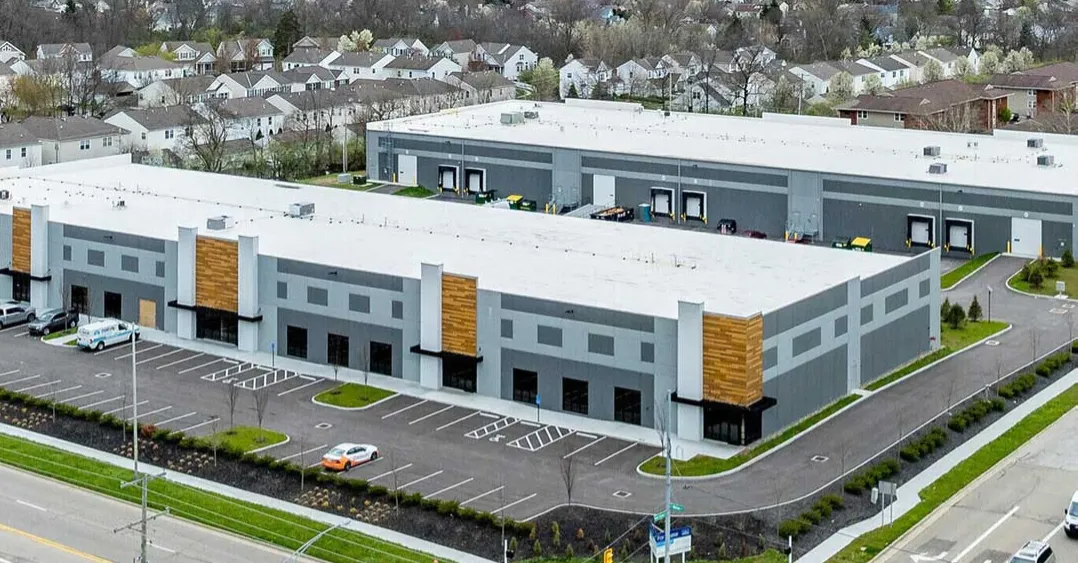
Small-Bay Industrial Real Estate: A Guide for Investors and Owners
Small-bay industrial properties occupy an important segment of the commercial real estate market. These buildings typically divide a larger industrial asset into smaller suites that can serve contractors, distributors, service businesses, tradespeople, light manufacturers, and local operators. The format gives tenants functional space without requiring them to lease an entire warehouse or large industrial facility.
For investors, the appeal is often connected to tenant diversity, practical utility, and local business demand. For owners, small-bay industrial properties can offer a way to serve multiple occupants with different space requirements. Neither advantage should be assumed. A successful acquisition depends on the building, the location, the tenant base, the leases, and the quality of the operating plan.
What is small-bay industrial real estate?
Small-bay industrial real estate generally refers to multi-tenant industrial buildings divided into relatively compact suites. The exact size varies by market and property type. Some suites may function as contractor bays with a small office, while others may support storage, distribution, workshop, or light-production uses.
The most useful definition is functional rather than purely numerical. A small-bay property is designed to accommodate several smaller businesses that need practical commercial space, convenient access, and reasonable occupancy costs. The property may include roll-up doors, drive-in access, loading areas, parking, small offices, warehouse clear height, and a configuration that allows tenants to operate independently.
Why investors study this property type
Small businesses often need more space than a conventional office but less space than a large distribution facility. A multi-tenant industrial building can serve this middle segment. If the property is well located and correctly configured, the owner may be able to attract tenants from several business categories rather than relying on one large occupant.
Multiple suites can also create a different leasing profile from a single-tenant asset. When one tenant leaves, the entire building is not necessarily vacant. At the same time, smaller suites may require more leasing activity, more tenant communication, and more frequent turnover management. Diversification can reduce concentration risk, but it does not eliminate operating risk.
Investors should also recognize that industrial demand is local. A building near established business districts, transportation routes, population centers, or complementary commercial uses may have stronger tenant appeal than a similar building in a less accessible location. Local market research is essential.
Physical features that influence small-bay demand
The best features depend on the intended tenant profile. A contractor may value drive-in doors, secure outdoor storage, and early access. A distributor may prioritize loading, parking, and truck circulation. A service business may need customer visibility, office space, and convenient access for employees.
When reviewing a property, study the following characteristics:
•Suite sizes and the flexibility of demising walls.
•Clear height, column spacing, and usable warehouse area.
•Drive-in doors, dock access, loading areas, and truck circulation.
•Parking availability and any shared-parking restrictions.
•Electrical service, plumbing, ventilation, and HVAC configuration.
•Roof age, drainage, paving, exterior lighting, and security.
•Zoning, permitted uses, signage rules, and outdoor-storage restrictions.
•Fire protection, life-safety systems, and code compliance.
•Internet connectivity and the ability to support modern business operations.
A building can look attractive on a per-square-foot basis and still underperform if the layout does not work for the tenants the market can support.
How to evaluate a small-bay industrial investment
Begin with the rent roll and lease abstracts. Review current rents, expiration dates, renewal options, security deposits, expense responsibilities, escalations, tenant improvement obligations, and any special provisions. Confirm that the rent roll matches the leases and that the leases match the physical occupancy.
Next, examine the property's operating history. Review income and expenses over multiple years when available. Separate recurring operating expenses from one-time repairs. Look for expenses related to utilities, snow removal, landscaping, security, property management, repairs, insurance, taxes, and common-area maintenance.
The physical inspection should be equally detailed. Industrial buildings can have major capital needs that are not visible during a quick walk-through. A professional inspection may identify roof, paving, drainage, structural, electrical, plumbing, environmental, or fire-protection issues. These findings affect both the purchase price and the future capital plan.
Finally, test the investment against multiple scenarios. Consider lease rollover, slower absorption, higher insurance costs, unexpected repairs, changes in operating expenses, and the possibility that a tenant improvement allowance will be needed to secure a new lease. A durable investment thesis should remain understandable even when assumptions become less favorable.
Small-bay industrial is not passive by default
A multi-tenant industrial asset can produce recurring income, but it is still a business operation. Owners may need to manage tenant requests, maintenance, access, vendor relationships, lease renewals, inspections, and compliance matters. A professional property manager can help, but management fees and oversight requirements should be included in the underwriting.
The property may become more efficient over time through better leasing, expense controls, targeted improvements, or a clearer tenant strategy. Those improvements require capital and execution. Investors should distinguish between current income and projected income that depends on future work.
When should an owner consider selling?
An owner may consider a sale when the property has reached a strategic value, when capital needs are increasing, when management demands no longer fit the owner's goals, or when the owner wants to redeploy equity into another investment. The right timing depends on the owner's financial position, tax considerations, market conditions, and long-term objectives.
Before marketing a small-bay industrial property, organize leases, operating statements, service contracts, permits, surveys, environmental reports, utility information, and capital-improvement records. A clean diligence package helps qualified buyers understand the asset and reduces avoidable delays.
The Oak and Clay Group's perspective
The Oak and Clay Group helps owners and investors think about commercial real estate through the interaction of property utility, tenant demand, operations, and long-term value. Small-bay industrial properties reward careful analysis because their performance depends on both the physical building and the businesses that use it.
If you own or are evaluating a small-bay industrial property, contact The Oak and Clay Group to discuss the asset, its market position, and potential next steps.