Small-Bay Industrial Real Estate: What Investors Should Know
Commercial real estate investors have long recognized the importance of industrial property. Warehouses, flex buildings, contractor spaces, and light-manufacturing facilities support the movement, storage, production, and delivery of goods. Within that broad category, small-bay industrial real estate represents a distinct opportunity: properties divided into smaller suites that serve local and regional businesses rather than a single large distribution user.
Small-bay industrial properties can include multi-tenant warehouse buildings, contractor bays, flex-industrial facilities, service-commercial properties, and light-industrial campuses. Their appeal is not based on a single statistic or a guaranteed outcome. It comes from the potential combination of diversified tenancy, functional space, local business demand, and opportunities to improve operations or reposition an under-managed asset.
The Oak and Clay Group describes its investment strategy as focused on value-add commercial real estate partnerships and identifies Class B and C industrial warehouses in Pennsylvania, Ohio, West Virginia, and Maryland as part of its acquisition focus.
What makes a small-bay industrial property different?
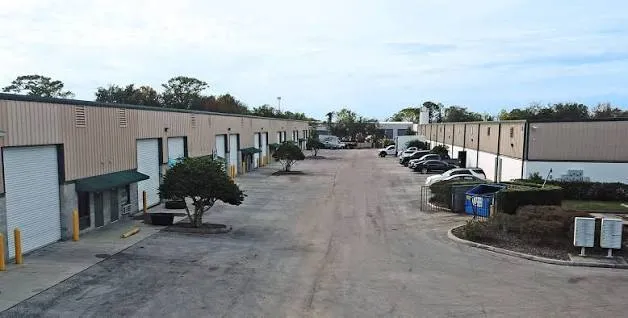
A small-bay building typically contains multiple rentable spaces, each with its own entrance, loading access, utility configuration, or combination of warehouse and office space. Suite sizes vary by market and property, but the defining feature is that the building can serve several smaller occupiers instead of relying entirely on one large tenant.
These tenants may include contractors, specialty distributors, repair businesses, e-commerce operators, building-supply companies, equipment users, and local manufacturers. Their space requirements are often practical rather than elaborate. They may prioritize drive-in doors, ceiling height, parking, yard access, visibility, location near customers, and the ability to operate efficiently.
The property’s physical configuration matters. A building with flexible suite layouts, appropriate loading, functional circulation, and convenient access may be easier to lease than a property with obsolete or highly specialized improvements. Investors should evaluate the real-world needs of the target tenant base rather than relying only on the property’s label.
Why investors consider the small-bay segment
One potential advantage of a multi-tenant small-bay asset is that revenue is distributed across several leases. If one tenant vacates, the property may continue producing income from the remaining suites. That does not eliminate vacancy risk, but it can create a different risk profile from a single-tenant asset where one lease expiration may affect the entire property’s income.
Small-bay properties may also offer several paths to value creation. An owner may be able to improve leasing, update signage, modernize common areas, repair loading or parking areas, reorganize suites, reduce operating inefficiencies, or bring rents and lease structures closer to current market conditions. Whether any strategy works depends on local demand, capital requirements, zoning, tenant quality, and execution.
The Oak and Clay Group states that it seeks well-located, value-add industrial warehouse opportunities with income potential, operational improvement opportunities, and tenant-growth potential. These are investment objectives, not guarantees of performance.
Key underwriting questions for small-bay industrial
A professional review should examine both the property and the tenant ecosystem around it. Start with the rent roll, lease expirations, current rents, security deposits, delinquencies, renewal history, and tenant improvements. Then compare in-place economics with realistic market rents for similar suites in the same submarket.
Physical diligence should address roof condition, structure, paving, drainage, loading doors, electrical capacity, HVAC, fire protection, environmental conditions, zoning, and code compliance. Small-bay users can place meaningful demands on power, parking, storage, access, and waste handling, so a building that appears functional from the outside may still require substantial capital.
Tenant base: Are tenants diversified by industry, lease expiration, and revenue contribution?
Location: Is the property convenient for employees, customers, deliveries, and service vehicles?
Building utility: Do clear height, loading, power, parking, and suite sizes fit likely users?
Lease economics: Are rents, reimbursements, options, deposits, and escalations documented and collectible?
Capital needs: What will roof, paving, mechanical, life-safety, and tenant-improvement work cost?
Zoning and compliance: Is the existing use permitted, and can the property support future tenant needs?
Exit flexibility: Would the asset appeal to owner-users, local investors, or institutional buyers?
The risks investors should not overlook
Small-bay industrial real estate is still commercial real estate. It can be exposed to vacancy, tenant credit problems, rent declines, property damage, environmental liabilities, insurance increases, maintenance costs, interest-rate changes, and local economic shifts. Multiple tenants can diversify revenue, but they can also increase leasing activity, collections, maintenance requests, and administrative complexity.
The property’s value may depend on assumptions about future rents, occupancy, renovation costs, and exit pricing. Investors should test conservative scenarios instead of relying on a single projected return. They should also understand how debt, reserves, capital calls, fees, and sponsor compensation affect distributions and total returns.
How a value-add strategy can create potential upside
A value-add plan should connect a specific problem with a measurable improvement. For example, an investor might identify under-market rents, poor signage, inefficient common areas, unused storage, or deferred repairs. The business plan should estimate the cost of addressing the issue, the expected leasing or operating effect, the time required, and the downside if the improvement takes longer than expected.
The strongest plans are often operationally specific. “Improve the property” is not an underwriting thesis. A stronger plan explains which suites will be renovated, which tenant profile is being targeted, how leasing downtime will be managed, and which expenses are expected to change.
Is small-bay industrial right for every investor?
No. A direct acquisition may require substantial capital, specialized knowledge, asset-management time, and tolerance for illiquidity. A passive investment partnership may provide a different way to participate, but it introduces its own considerations, including sponsor risk, offering structure, fees, limited control, and the possibility of loss.
The Oak and Clay Group invites qualified investors to learn about its industrial real-estate investment approach through its investor platform. Prospective investors should review the applicable offering documents and consult their own legal, tax, and financial professionals before making a decision.
Final takeaway
Small-bay industrial real estate can offer a compelling combination of functional space, diversified tenancy, and value-add potential. But the opportunity is property-specific. Location, tenant demand, physical utility, lease quality, capital needs, financing, and execution all matter.
For investors evaluating this segment, the best starting point is disciplined diligence rather than a broad sector label. For owners considering a sale, The Oak and Clay Group provides a warehouse-sale pathway for industrial property owners who want to discuss their options.